

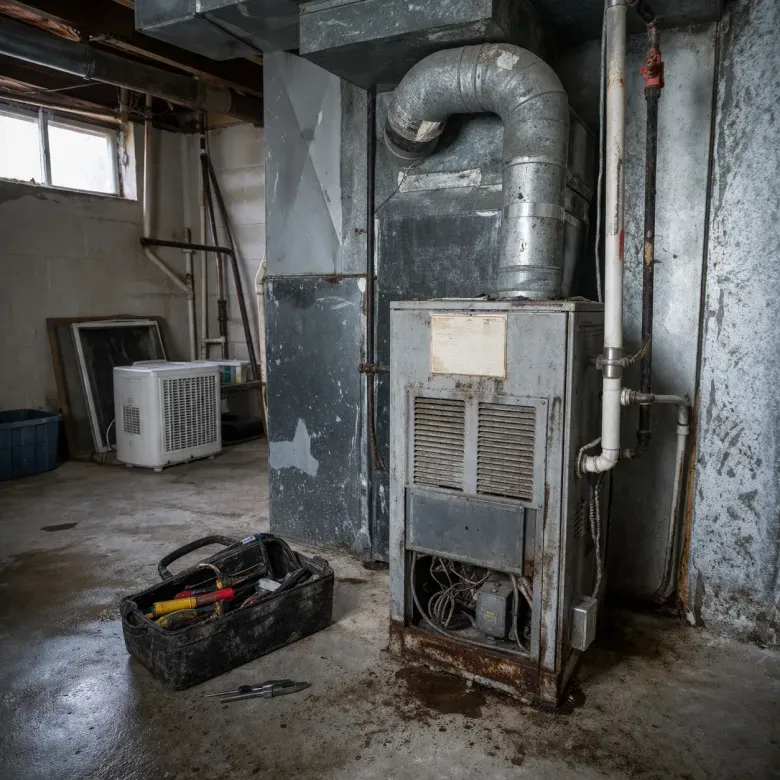
Your HVAC system is one of the most important parts of your home, responsible for maintaining comfort, indoor air quality, and energy efficiency throughout the year. However, like any mechanical system, it does not last forever. If you are experiencing higher energy bills, uneven temperatures, or frequent repairs, these could be clear HVAC Replacement Warning Signs that your system is too old and needs replacement. Recognizing these warning signs early can help you avoid unexpected breakdowns and costly repairs.
Many homeowners continue using outdated HVAC systems without realizing how much it impacts both comfort and expenses. As systems age, they become less efficient, consume more energy, and struggle to maintain consistent heating and cooling. In this guide, you will learn the key signs of an old HVAC system and understand when replacing it is the smarter and more cost-effective decision. If you notice these issues in your home, it’s a good idea to get help from a trusted provider of the best HVAC services in Carlsbad, CA, to properly inspect your system and recommend the right solution.
1. Your System Is Over 10–15 Years Old
Most HVAC systems are designed to last around 10 to 15 years with proper maintenance. As your system reaches this age, its performance naturally declines and efficiency drops. Even if it still runs, it may no longer deliver the comfort and savings you expect.
Older systems:
- Use outdated technology that lacks modern efficiency features
- Consume more energy to maintain the same temperature
- Break down more frequently and require ongoing repairs
- Struggle to provide consistent heating and cooling
Keeping an aging HVAC system often leads to higher costs and reduced comfort over time. Instead of spending more on repairs and energy bills, upgrading to a newer system can be a smarter long-term investment.
2. Rising Energy Bills Without Explanation
If your energy bills are increasing even though your usage habits have not changed, your HVAC system could be the reason. As systems age, they lose efficiency and require more power to maintain the same level of comfort. This extra strain often shows up as higher monthly utility costs.
An aging HVAC system often leads to:
- Increased electricity consumption due to overworking components
- Reduced efficiency compared to newer energy-saving models
- Longer run times to reach the desired temperature
- Higher monthly energy costs without any clear reason
If you notice a steady rise in your bills, it may be one of the HVAC Replacement Warning Signs that your system is no longer operating efficiently and could need replacement.
3. Frequent Repairs Are Adding Up
Occasional HVAC repairs are normal, but if breakdowns are happening more often, it’s a clear warning sign your system is aging. Frequent issues not only disrupt comfort but also increase your overall maintenance costs.
If you find yourself:
- Calling technicians multiple times throughout the year
- Spending more money on repairs than expected
- Dealing with the same problems again and again
- Facing unexpected system failures during peak seasons
At some point, repair costs start to outweigh the value of the system. Replacing your HVAC unit can be a more reliable and cost-effective solution in the long run, especially when you choose top rated HVAC services by Ocean Side Air Duct Cleaning to ensure quality installation and long-term performance.
4. Uneven Heating or Cooling
If some rooms in your home feel too hot while others stay cold, your HVAC system may no longer be performing efficiently. This uneven temperature distribution is a common sign of an aging system struggling to keep up with demand.
This inconsistency often indicates:
- Failing components that can no longer regulate temperature properly
- Reduced airflow efficiency across different areas of the home
- Duct or system imbalance caused by wear and tear
- Overall decline in system performance due to age
A properly functioning HVAC system should provide consistent comfort in every room. If uneven temperatures persist, it may be time to consider upgrading your system.
5. Strange Noises or Odors
Unusual sounds coming from your HVAC system, such as banging, rattling, or grinding, are often signs of internal wear or damage. These noises should not be ignored, as they can be clear HVAC Replacement Warning Signs that key components are starting to fail.
Similarly, unpleasant smells may indicate:
- Mold or dust buildup inside the system or ducts
- Burnt components caused by overheating parts
- Electrical issues that may pose safety risks
- Accumulated debris affecting system performance
These issues tend to get worse over time and can lead to bigger problems if left unchecked. In many cases, they are strong indicators that your HVAC system may need to be replaced, especially if you’re relying on older equipment in areas like Carlsbad, CA, where trusted local HVAC services can help assess and upgrade your system efficiently.
6. Poor Airflow and Indoor Air Quality
If the air coming from your vents feels weak or your home seems dustier than usual, your HVAC system may not be performing efficiently. Poor airflow is often a sign that the system is struggling to circulate air properly throughout your home.
Signs include:
- Weak airflow coming from vents in different rooms
- Increased dust buildup on surfaces and around vents
- More frequent allergy or respiratory symptoms indoors
- Uneven air circulation leading to discomfort
Older HVAC systems often lose their ability to filter and distribute air effectively. This not only impacts comfort but also reduces the overall air quality inside your home.
7. Your System Uses Outdated Refrigerant (R-22)
If your HVAC system still uses R-22 refrigerant, it is a clear sign that your system is outdated and no longer aligned with modern efficiency standards. This type of refrigerant has been officially phased out due to environmental concerns, making it increasingly impractical for continued use.
R-22 systems are:
- Expensive to recharge because the refrigerant is no longer widely available
- Difficult to maintain as parts and servicing options are becoming limited
- Less energy-efficient compared to newer, environmentally friendly systems
- More likely to increase long-term operating and repair costs
As a result, continuing to use an R-22 system can become costly and inconvenient over time. In many cases, this is one of the HVAC Replacement Warning Signs that upgrading to a newer system is the smarter choice, improving performance, efficiency, and ensuring your system meets current environmental and industry standards.
8. Your Home Never Feels Comfortable
If your HVAC system seems to run constantly but still cannot maintain the temperature you set, it is a strong indication that the system is no longer performing efficiently. An aging unit often struggles to keep up with demand, leading to ongoing discomfort in your home.
This can lead to:
- Constant discomfort regardless of thermostat settings
- Overworking of the system, causing faster wear and tear
- Higher energy costs due to continuous operation
- Difficulty maintaining consistent temperatures throughout the home
When your home never feels quite right, even with the system running, it is often a sign that your HVAC system may be reaching the end of its lifespan, and consulting a trusted local expert like Ocean Side Air Duct Cleaning in Carlsbad, CA can help you determine the best replacement solution.
Repair vs Replacement: What Should You Choose?
Deciding between repairing or replacing your HVAC system can be challenging, especially when costs start to add up. A helpful rule to follow is evaluating how much you are spending on repairs compared to the value of your system.
A good rule of thumb:
If repair costs exceed 50% of the system’s value, replacement is usually the smarter and more cost-effective choice.
New HVAC systems offer:
- Better energy efficiency that helps reduce overall power consumption
- Lower utility bills with improved performance and modern technology
- Enhanced indoor comfort with consistent temperature control
- Advanced features such as smart thermostats and automation
Investing in a new system may seem costly upfront, but it often saves money in the long run while improving comfort and reliability.
Conclusion
Your HVAC system is a long-term investment that directly impacts your home’s comfort, energy efficiency, and indoor air quality. As it ages, performance naturally declines, leading to higher energy bills, frequent repairs, and inconsistent temperatures. Recognizing these early HVAC Replacement Warning Signs can help you take action before small issues turn into costly problems.
If you are experiencing multiple warning signs such as rising energy costs, poor airflow, or constant discomfort, it may be time to seriously consider a replacement, especially for homeowners in Carlsbad, CA where professional HVAC services can help evaluate your system accurately. While repairs can offer temporary relief, they often become less effective and more expensive as the system continues to age. Upgrading to a modern HVAC system ensures better performance, improved efficiency, and long-term reliability.
Ultimately, replacing an old HVAC system is not just about fixing a problem, it is about improving your overall living environment. A new system can provide consistent comfort, cleaner air, and lower operating costs, making it a smart investment for your home and your peace of mind.