



This beginner-friendly guide is designed to simplify everything for you, without using complicated terms or industry jargon. Whether you’re a new homeowner or just looking to understand your system better, this guide will help you gain clear, practical knowledge so you can make smarter decisions about your HVAC system and maintain a more comfortable living environment, especially when working with trusted HVAC services in Poway, CA for professional support and maintenance.
This beginner-friendly guide is designed to simplify everything for you, without using complicated terms or industry jargon. Whether you’re a new homeowner or just looking to understand your system better, this Home HVAC System Guide will help you gain clear, practical knowledge so you can make smarter decisions about your HVAC system and maintain a more comfortable living environment.
What Does HVAC Mean?
HVAC stands for Heating, Ventilation, and Air Conditioning, which are essential systems that control your home’s comfort. It helps regulate temperature, airflow, and overall indoor air quality throughout the year. Each component works together to create a balanced and comfortable living environment. Understanding this system makes it easier to manage your home efficiently.
- Heating keeps your home warm during colder months
- Ventilation controls airflow and improves air quality
- Air conditioning cools your home during hot weather
- It helps maintain consistent indoor temperatures
- It supports a healthier and more comfortable indoor space
All three components function together as a single system to keep your home comfortable in every season. A well-maintained HVAC system improves efficiency and reduces energy costs. Learning these basics helps you take better care of your system and avoid common issues.
Main Parts of Your HVAC System
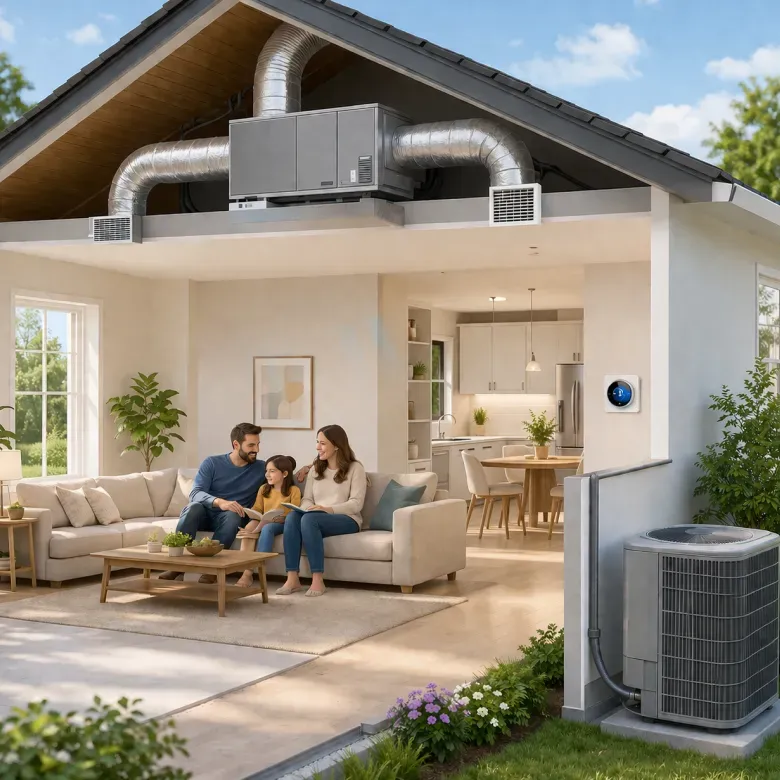
Your HVAC system may seem complex, but it is made up of a few essential components that work together to keep your home comfortable. Each part has a specific role, whether it is controlling temperature, moving air, or improving air quality. Understanding these components helps you better manage your system and identify potential issues early.
By knowing how each part functions, you can also maintain your HVAC system more effectively and ensure it runs efficiently throughout the year. This Home HVAC System Guide knowledge can save you time, money, and unnecessary stress in the long run.
1. Thermostat
The thermostat acts as the control center of your HVAC system, allowing you to set your desired temperature. Once you adjust the settings, it signals the system to heat or cool your home accordingly. Modern thermostats can also help improve energy efficiency through smart controls.
2. Furnace or Heating Unit
The furnace or heating unit is responsible for generating heat during colder months. It warms the air and then distributes it throughout your home using the duct system. For homeowners in Poway, CA, a well-functioning heating unit ensures consistent warmth, comfort, and reliable performance throughout the season.
3. Air Conditioner
The air conditioner removes heat from indoor air to keep your home cool during hot weather. It works by circulating refrigerant and cooling the air before sending it through the ducts. This process helps maintain a comfortable indoor temperature.
4. Ductwork
Ductwork consists of a network of pathways that carry heated or cooled air to different rooms in your home. It plays a key role in ensuring even air distribution. Properly maintained ducts help improve airflow and overall system efficiency.
5. Air Filters
Air filters are designed to trap dust, dirt, and allergens before air circulates through your home. They help improve indoor air quality and protect your HVAC system from buildup. Regularly changing filters keeps your system running smoothly and efficiently.
How Your HVAC System Works (Simple Explanation)
Your HVAC system works in a simple cycle to maintain a comfortable temperature inside your home. Once you understand this basic process, it becomes much easier to manage and maintain your system.
- You set the temperature on your thermostat
- The system turns on heating or cooling
- Air is treated by being heated or cooled
- The conditioned air is pushed through ducts
- Your home reaches the desired temperature
That’s all there is to it, without any complicated steps. This simple process, as explained in this Home HVAC System Guide, runs continuously to keep your home comfortable.
Why Ventilation Is Important
Ventilation plays a key role in keeping the air inside your home fresh and healthy. It allows clean air to circulate while removing stale and polluted air. Without proper ventilation, indoor air can quickly become uncomfortable and unhealthy.
- Removes indoor pollutants like dust and allergens
- Controls humidity levels to prevent dampness
- Improves overall indoor air quality
- Reduces odors and stale air buildup
- Supports a healthier living environment
Common HVAC Problems Beginners Should Know
Even without technical knowledge, you can easily notice when something is not right with your HVAC system. Paying attention to small changes can help you catch problems early. This can prevent bigger issues and costly repairs in the future.
- Weak airflow coming from vents
- Strange noises like banging or rattling
- Uneven temperatures in different rooms
- Sudden increase in energy bills
- System turning on and off frequently
These issues are early warning signs that your HVAC system needs attention. Ignoring them can lead to reduced performance and higher repair costs over time, especially for homeowners in Poway, CA where regular maintenance is essential. Taking action early helps maintain comfort and keeps your system running efficiently.
Not sure if your HVAC system is working efficiently? Contact Ocean Side Air Duct Cleaning today for expert inspection, maintenance, and reliable service.
Simple Maintenance Tips Anyone Can Follow
You don’t need to be an expert to keep your HVAC system in good shape. Following a few simple steps regularly can improve performance and extend the life of your system. These basic habits can also help you avoid costly repairs.
- Change air filters regularly
- Keep vents clean and unblocked
- Check your thermostat settings
- Schedule yearly professional maintenance
- Keep the outdoor unit clean and clear
Small maintenance steps can make a big difference over time. As part of a Home HVAC System Guide, they help your system run efficiently and keep your home comfortable throughout the year.
When to Call a Professional
While basic maintenance can be handled on your own, some issues require expert attention. Ignoring serious problems can lead to bigger damage and higher repair costs. Knowing when to call a professional can save you time and stress.
- Constant system breakdowns
- Poor heating or cooling performance
- Unusual smells or strange noises
- Sudden increase in energy bills
- System not turning on properly
If you notice these issues, it’s best to contact an HVAC expert right away. Professional inspection ensures your system is safe, efficient, and working correctly.
Conclusion
Understanding your HVAC system doesn’t have to be complicated. With a basic understanding of how it works, this Home HVAC System Guide helps you take better control of your home’s comfort, energy use, and overall efficiency. Being aware of how each part functions helps you spot small issues early before they turn into expensive repairs or system failures.
By following simple maintenance habits and knowing when to call a professional, you can extend the lifespan of your HVAC system and keep it running at its best, especially when relying on trusted HVAC services in Poway, CA. Investing a little time in learning about your system can lead to long-term savings, improved air quality, and a more comfortable living environment for you and your family.