



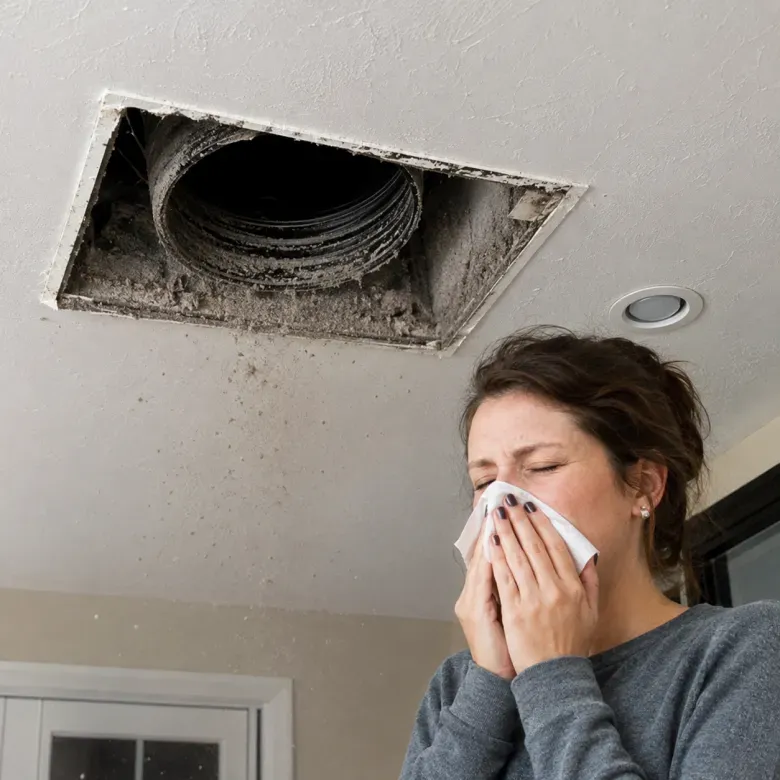
If you or your family experience frequent sneezing, itchy eyes, or nasal congestion indoors, your home’s air quality could be playing a role. Over time, air ducts can collect dust, pollen, pet dander, mold spores, and other airborne particles. These dirty air duct allergies concerns become more noticeable as your HVAC system circulates air throughout your home, recirculating contaminants that may affect those who are sensitive to allergens.
While dirty air ducts don’t directly cause allergies, they can contribute to poor indoor air quality and aggravate existing allergy symptoms. Understanding how allergens build up inside your ductwork and when air duct cleaning in Bonsall, CA, may be beneficial can help you take the right steps toward creating a cleaner, healthier home. In this guide, we’ll explain the connection between dirty air ducts and allergies, along with practical tips to help reduce indoor allergens.
What Allergens Can Build Up in Air Ducts?
Your air ducts continuously circulate air throughout your home, making it easy for airborne particles to settle inside the ductwork over time. Without regular maintenance, these contaminants can accumulate and recirculate whenever your HVAC system is running, potentially affecting your indoor air quality.
Some of the most common allergens found in air ducts include:
- Dust: Household dust is one of the most common contaminants in air ducts and can build up over time through daily activities.
- Pollen: Pollen can enter your home through open doors, windows, clothing, and pets before becoming trapped inside your ductwork.
- Pet Dander: Tiny skin flakes and pet hair from cats, dogs, and other animals can accumulate in air ducts and continue circulating throughout your home.
- Mold Spores: Excess moisture inside ductwork can encourage mold growth, allowing spores to spread through your HVAC system.
- Dust Mites: Dust mites thrive in dusty environments, and their waste particles can become airborne, contributing to allergy symptoms for sensitive individuals.
Can Dirty Air Ducts Really Trigger Allergies?
Dirty air ducts don’t directly cause allergies, but they can contribute to poor indoor air quality by circulating dust, pollen, pet dander, mold spores, and other allergens throughout your home. This is why dirty air duct allergies are a common concern, as each time your HVAC system runs, these particles may be redistributed into the air, increasing exposure for people who are sensitive to allergens.
For individuals with seasonal allergies, asthma, or other respiratory conditions, this continued exposure may worsen symptoms such as sneezing, coughing, itchy eyes, and nasal congestion. Keeping your air ducts clean, replacing HVAC filters regularly, and scheduling HVAC duct cleaning services in Bonsall, CA can help reduce airborne allergens and support a healthier indoor environment.
Common Allergy Symptoms Linked to Poor Indoor Air Quality
Poor indoor air quality can expose your family to airborne allergens that may worsen existing allergy symptoms. While these symptoms can have many possible causes, dirty air ducts may contribute by circulating dust, pollen, pet dander, and other particles throughout your home. Recognizing these common signs can help you determine when it’s time to inspect your HVAC system and improve your indoor air quality.
- Frequent Sneezing: Constant exposure to airborne allergens may irritate the nasal passages, leading to frequent sneezing, especially while you’re indoors.
- Runny or Stuffy Nose: Dust, pollen, and other contaminants circulating through your HVAC system can contribute to nasal congestion, a runny nose, or sinus discomfort.
- Itchy or Watery Eyes: Indoor allergens may cause eye irritation, redness, itching, and excessive tearing, particularly during allergy seasons.
- Persistent Coughing: Breathing in airborne particles over time can trigger ongoing coughing or throat irritation, especially for people with allergies or asthma.
- Wheezing or Breathing Discomfort: Individuals with respiratory sensitivities may experience wheezing, chest tightness, or mild breathing discomfort when exposed to allergens circulating inside the home.
Who Is Most Likely to Be Affected?
Although poor indoor air quality can affect anyone, some people are more sensitive to the allergens and airborne particles that may circulate through dirty air ducts. Understanding dirty air duct allergies is especially important for these individuals, and knowing when residential air duct cleaning in Bonsall, CA may be needed can help reduce allergy symptoms and improve indoor air quality.
- Children: Young children are more vulnerable because their immune and respiratory systems are still developing, making them more sensitive to airborne allergens.
- Older Adults: Seniors may experience increased discomfort from poor indoor air quality, particularly if they have existing respiratory or health conditions.
- People with Allergies or Asthma: Those with allergies or asthma are more likely to experience symptoms such as sneezing, coughing, wheezing, and nasal congestion when exposed to airborne irritants.
- People with Weakened Immune Systems: Individuals with weakened immune systems may be more sensitive to dust, mold spores, and other contaminants circulating through the HVAC system.
- Pet Owners: Homes with pets often have higher levels of pet hair and dander, which can accumulate in air ducts and contribute to indoor allergens over time.
Signs Your Air Ducts May Be Worsening Allergies
If allergens have built up inside your air ducts, you may begin to notice changes in your home’s indoor air quality. While these signs don’t always mean your ductwork is the only cause, they can indicate that it’s time to have your HVAC system inspected.
- Allergy Symptoms Worsen Indoors: If sneezing, itchy eyes, or nasal congestion become more noticeable while you’re at home, your air ducts may be circulating allergens.
- Excessive Dust Around Vents: A buildup of dust on or around air vents may suggest that dust and debris are accumulating inside your ductwork.
- Musty or Stale Odors: Persistent musty smells when your HVAC system is running could indicate moisture, mold, or debris inside the air ducts.
- Dirty HVAC Filters: If your air filters become clogged with dust more quickly than usual, it may be a sign that your duct system contains excessive airborne particles.
- Increased Coughing or Respiratory Discomfort: Frequent coughing, throat irritation, or mild breathing discomfort indoors may be linked to poor indoor air quality caused by airborne allergens.
How Air Duct Cleaning Can Help Reduce Allergens
Air duct cleaning helps remove accumulated dust, pollen, pet dander, and other contaminants that can build up inside your HVAC system over time. By reducing these airborne particles, it can help address dirty air duct allergies, support better indoor air quality, and create a more comfortable environment for allergy sufferers.
- Removes Built-Up Allergens: Professional air duct cleaning removes dust, debris, pet dander, and other allergens that may collect inside your ductwork.
- Improves Indoor Air Quality: Cleaner air ducts help reduce the amount of dust and allergens circulating throughout your home whenever your HVAC system is running.
- Supports Better HVAC Performance: Removing buildup from the duct system allows air to flow more efficiently, helping your HVAC system operate at its best.
- Creates a Healthier Living Environment: Combined with regular HVAC maintenance and timely filter replacements, clean air ducts can help reduce indoor allergens and promote a cleaner, healthier home.
Tips to Reduce Allergens in Your Home
Reducing indoor allergens requires a combination of regular cleaning and proper HVAC maintenance. By following a few simple habits, you can improve your indoor air quality and create a healthier environment for your family.
- Replace HVAC Filters Regularly: Change your HVAC filters as recommended to help capture dust, pollen, pet dander, and other airborne particles before they circulate through your home.
- Keep Your Home Clean: Vacuum carpets, dust surfaces, and clean air vents regularly to minimize the buildup of allergens indoors.
- Control Indoor Humidity: Maintaining indoor humidity between 30% and 50% can help reduce mold growth and create a less favorable environment for dust mites.
- Schedule Routine HVAC Maintenance: Regular HVAC inspections help ensure your system is operating efficiently while preventing excessive dust and debris from accumulating.
- Consider Air Duct Cleaning: If you notice persistent allergy symptoms, excessive dust, or musty odors, having your air ducts inspected and cleaned can help reduce allergens and improve indoor air quality.
Conclusion
Dirty air ducts may not directly cause allergies, but they can contribute to poor indoor air quality by circulating dust, pollen, pet dander, and other allergens throughout your home. Understanding dirty air duct allergies can help homeowners recognize how continued exposure may worsen symptoms for individuals with allergies, asthma, or other respiratory sensitivities and make everyday living less comfortable.
Keeping your HVAC system well-maintained, replacing air filters regularly, and scheduling air duct inspections when needed can help reduce indoor allergens and support cleaner air. If you’re looking for reliable air duct cleaning services in Bonsall, CA, contact Oceanside Air Duct Cleaning today. By taking a proactive approach to HVAC maintenance, you can create a cleaner, healthier, and more comfortable living environment for your family while helping your system perform more efficiently.