



Introduction
A well-functioning HVAC system plays an important role in keeping your home comfortable throughout the year, but running it efficiently can also help control energy costs. When an HVAC system starts working harder than it should, many homeowners immediately assume that replacing the entire system is the only solution. In reality, improving HVAC efficiency without replacement can often be achieved through simple maintenance steps and practical adjustments that help an existing system perform more efficiently.
Improving HVAC efficiency does not always require a major investment. Things like replacing a dirty air filter, keeping vents clear, checking for air leaks, maintaining proper airflow, and scheduling professional HVAC maintenance services can reduce unnecessary strain on the system. By understanding what affects HVAC efficiency and addressing small problems early, homeowners can improve comfort and help their system operate more effectively without replacing it.
1. Replace the Air Filter Regularly
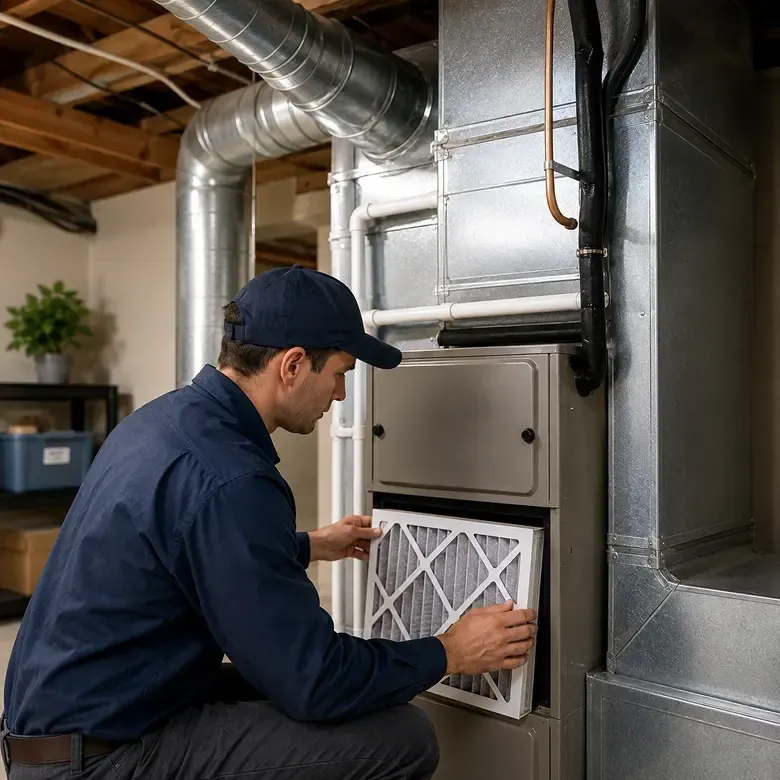
The air filter plays a simple but important role in your HVAC system. It catches dust, dirt, and other airborne particles before they can move through the system. Over time, the filter can become clogged, making it harder for air to pass through. When airflow is restricted, your HVAC system may need to run longer and work harder to maintain the temperature you set.
Check your air filter regularly and replace it when it becomes dirty. Many standard filters need to be replaced every 1–3 months, although the right schedule depends on the filter type, home conditions, pets, and how often the HVAC system runs. Keeping a clean filter is one of the easiest ways to support proper airflow and help your existing HVAC system operate more efficiently.
2. Keep Air Vents Clear and Unblocked
Your HVAC system needs clear pathways to move conditioned air throughout your home. When furniture, curtains, rugs, boxes, or other household items cover supply vents, they can restrict airflow and make it harder for the system to distribute heating or cooling evenly. This can cause some rooms to feel uncomfortable while the HVAC system continues running to reach the thermostat’s set temperature.
Take a quick look at the vents and registers in each room and make sure they are fully open and free from obstructions. Also, avoid placing large furniture directly over or in front of them. Keeping both supply and return vents clear allows air to move more freely, which can improve comfort and help your HVAC system avoid unnecessary strain.
3. Keep the Outdoor HVAC Unit Clean
If your home has a central air conditioning or heat pump system, the outdoor unit needs good airflow to operate efficiently. Leaves, grass clippings, dirt, and other debris can collect around the unit and restrict the air it needs to release heat. When airflow is limited, the system may have to work longer and harder to cool your home.
Keep the area around the outdoor unit clear of leaves, weeds, branches, and other debris. It is also a good idea to check the unit after storms or yard work, when debris can build up quickly. For HVAC efficiency without replacement, avoid placing items such as tools, boxes, or outdoor furniture directly around the unit. Keeping the area clean and unobstructed helps the system maintain proper airflow and operate more efficiently.
4. Use Your Thermostat Efficiently
Your thermostat controls when your HVAC system runs, so the way you use it can have a direct effect on energy use. Setting the temperature much lower in summer or much higher in winter does not make the system cool or heat your home faster. Instead, it can make the HVAC system run longer than necessary and use more energy. For homeowners in need of reliable HVAC services in Del Mar, CA, proper thermostat settings can also help maintain efficient system performance.
Try to choose a comfortable temperature and avoid making frequent, large adjustments throughout the day. If you are away from home for several hours, a programmable or smart thermostat can automatically adjust the temperature and return it to a comfortable setting before you come back. Small changes to your thermostat habits can reduce unnecessary runtime while still keeping your home comfortable.
5. Check for Air Leaks
Air leaks can make it difficult for your HVAC system to maintain a comfortable temperature. Conditioned air can escape through gaps around doors, windows, and other openings, while warm or cold outdoor air enters the home. As a result, your HVAC system may need to run longer to make up for the lost conditioned air.
Check common areas such as window frames, door edges, and visible gaps around the home for noticeable drafts. Weatherstripping and caulk can help seal some smaller leaks. If you suspect significant air leakage or notice that certain rooms are consistently harder to heat or cool, a professional can help identify areas that need further attention. Reducing unnecessary air loss allows your HVAC system to maintain indoor temperatures more effectively.
6. Keep Return Vents Clean
Return vents help your HVAC system pull air from your home and send it back through the system for heating or cooling. When these vents become covered with dust or blocked by furniture, the system may not be able to draw in air properly. This restricted airflow can make the HVAC system work harder and may affect comfort in different areas of your home.
Check your return vents regularly and remove visible dust and debris from the grille. Make sure furniture, curtains, and other objects are not blocking the vent. Keeping return vents clean and open helps maintain steady airflow and allows your HVAC system to circulate conditioned air more effectively.
7. Improve Airflow Throughout Your Home
Good airflow helps your HVAC system distribute heated or cooled air more evenly throughout the house. If some rooms receive plenty of air while others feel stuffy or uncomfortable, improving HVAC efficiency without replacement can start with checking for restricted airflow, blocked vents, or an imbalance in the ductwork. For homeowners looking for reliable HVAC services in Del Mar, CA, Ocean Side Air Duct Cleaning can help identify airflow concerns that may affect system performance. Your HVAC system may continue running longer as it tries to bring the entire home to the desired temperature.
Start by checking that all supply and return vents are open, clean, and free from furniture or other obstructions. Keep interior doors open when appropriate to allow air to move between rooms. If one area of your home consistently has weak airflow despite these simple checks, it may be worth having the ductwork and HVAC system professionally inspected to identify the underlying problem.
8. Schedule Regular HVAC Maintenance
Regular professional maintenance can help your HVAC system continue operating efficiently as it gets older. Over time, components can collect dirt, connections can loosen, and small issues can develop without being obvious to a homeowner. If these problems are left unchecked, the system may have to work harder and run longer to maintain the desired temperature.
During a professional maintenance visit, a technician can inspect important components, check system operation, clean certain parts, and look for potential problems. Scheduling maintenance before periods of heavy use can also give you an opportunity to address minor issues before they turn into more expensive repairs. Regular maintenance doesn’t guarantee that an HVAC system will never need replacement, but it can help an existing system operate reliably and efficiently.
9. Inspect Your Air Ducts
Your air ducts carry conditioned air from your HVAC system to different rooms in your home, so their condition can affect how efficiently that air reaches its destination. If ducts have leaks, disconnected sections, damage, or significant restrictions, some of the heated or cooled air may be lost before it reaches the rooms. This can cause uneven temperatures and make your HVAC system run longer than necessary.
Look for obvious signs such as damaged or disconnected duct sections in accessible areas, unusual dust around duct connections, or rooms that consistently receive weak airflow. Avoid attempting to open or repair hidden ductwork yourself, especially when the problem is difficult to locate. A professional duct inspection can help identify airflow or leakage issues and determine whether cleaning, sealing, or another repair is appropriate.
10. Use Ceiling Fans to Improve Comfort
Ceiling fans can help make your home feel more comfortable without requiring your HVAC system to work harder. A fan circulates air around the room and creates a cooling effect on your skin, which can make the room feel cooler even though the actual temperature has not changed. This can allow you to set your thermostat a little higher during warmer months while still feeling comfortable.
Use ceiling fans in rooms where you spend the most time, and turn them off when the room is unoccupied. Fans do not actually lower the temperature of a room, so leaving them running in an empty space only uses extra electricity. When used alongside your HVAC system, ceiling fans can improve comfort and help reduce the need for constant thermostat adjustments.
11. Know When to Call a Professional
Simple maintenance steps can improve HVAC efficiency, but some problems require professional attention. If your system is running much longer than usual, producing weak airflow, making unusual noises, struggling to maintain the set temperature, or causing certain rooms to remain consistently uncomfortable, there may be an underlying issue that basic maintenance cannot solve.
A professional HVAC technician can inspect the system and identify problems with components, airflow, ductwork, electrical connections, or other parts of the system. Getting these issues checked early can help prevent unnecessary strain and potentially more expensive repairs. If your HVAC system is not performing as it normally does despite regular filter changes and basic maintenance, HVAC efficiency without replacement may still be possible with professional service and the right repairs.
Conclusion
Improving HVAC efficiency does not always mean replacing your entire system. Simple steps such as changing the air filter, keeping vents clear, using the thermostat wisely, checking for air leaks, maintaining good airflow, and keeping the outdoor unit clean can help your HVAC system operate more effectively. Regular professional maintenance can also catch small issues before they affect performance.
If your HVAC system continues to struggle despite these basic improvements, it may be time to have a professional inspect it. Understanding how your system operates and taking care of it regularly can help maintain home comfort, reduce unnecessary energy use, and get more reliable performance from the system you already have. If you need professional HVAC services in Del Mar, CA, consider contacting qualified professionals to inspect your system and recommend the right solution.